Because of today’s heavy rain in Aso, I thought I’d take the opportunity to share a more academic topic for a change: the broad differences between the Emperor—Japan’s 126th monarch in an unbroken imperial line said to date back to 660 BC, a unique hereditary dynasty in the world—and the Shogun, who served as the highest-ranking leader of the warrior class from the Kamakura period through the Edo period.
In simple terms:
- The Emperor was the nation’s sovereign and symbolic ruler, whose legitimacy was rooted in tradition, ancestry, and religious authority.
- The Shogun was the military ruler who exercised actual political and administrative power on behalf of the Emperor.
A common way to understand their relationship is that the Emperor represented the source of legitimacy and continuity of the state, while the Shogun controlled the government, military, and day-to-day administration.
From the establishment of the in 1192 until the fall of the in 1868, political authority was largely exercised by successive shoguns, while the Emperor remained the enduring symbol of the nation and its historical continuity.
In other words, one could say that the Emperor embodied the nation’s legitimacy, while the Shogun wielded its power. This unique dual structure became one of the defining characteristics of Japanese history for nearly seven centuries.
That wraps up today’s blog post.
As many of you may know, the volcanic alert level was raised to Level 2 on June 21, and entry within 1 kilometer of the crater is currently prohibited for safety reasons.
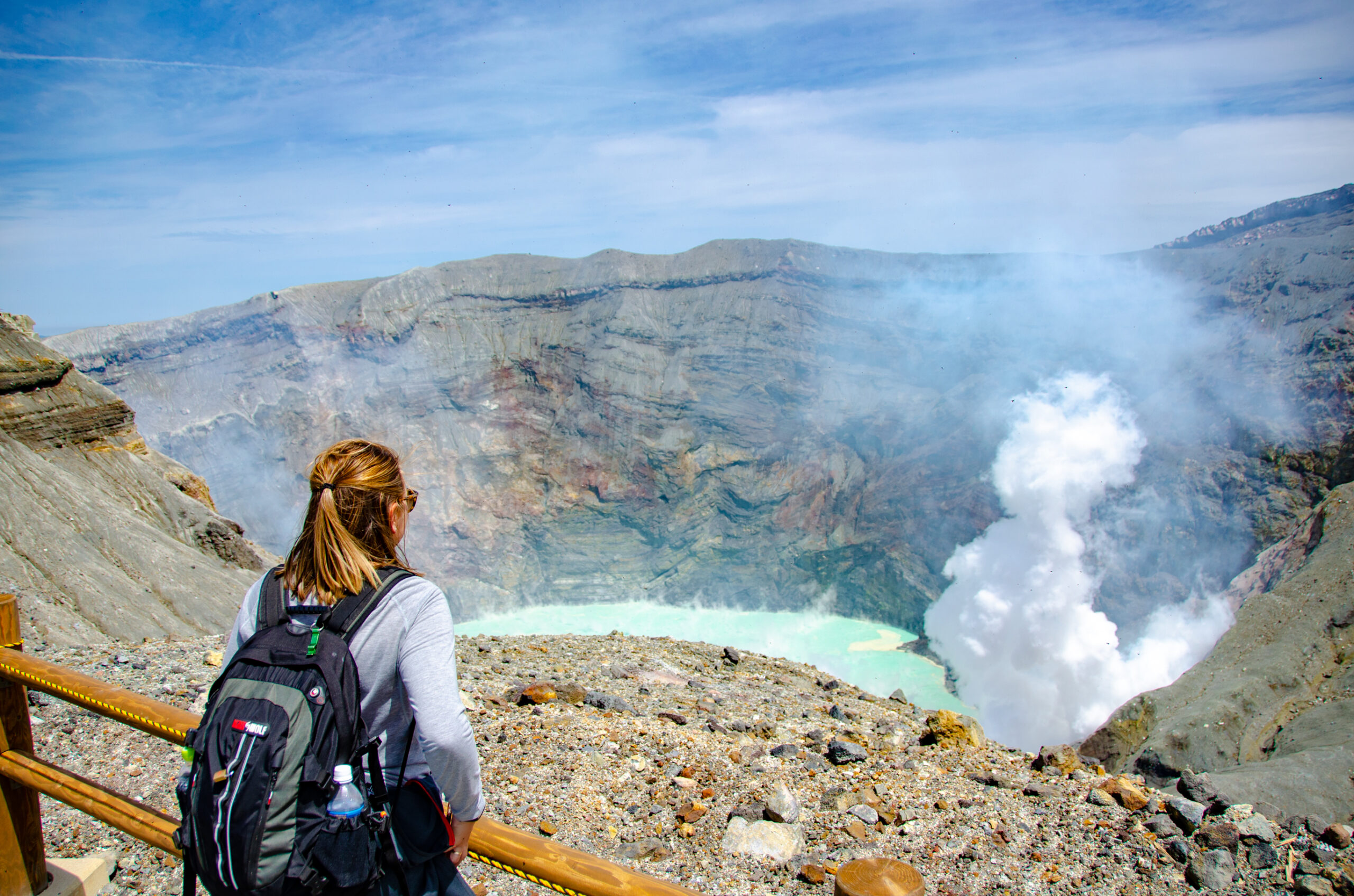
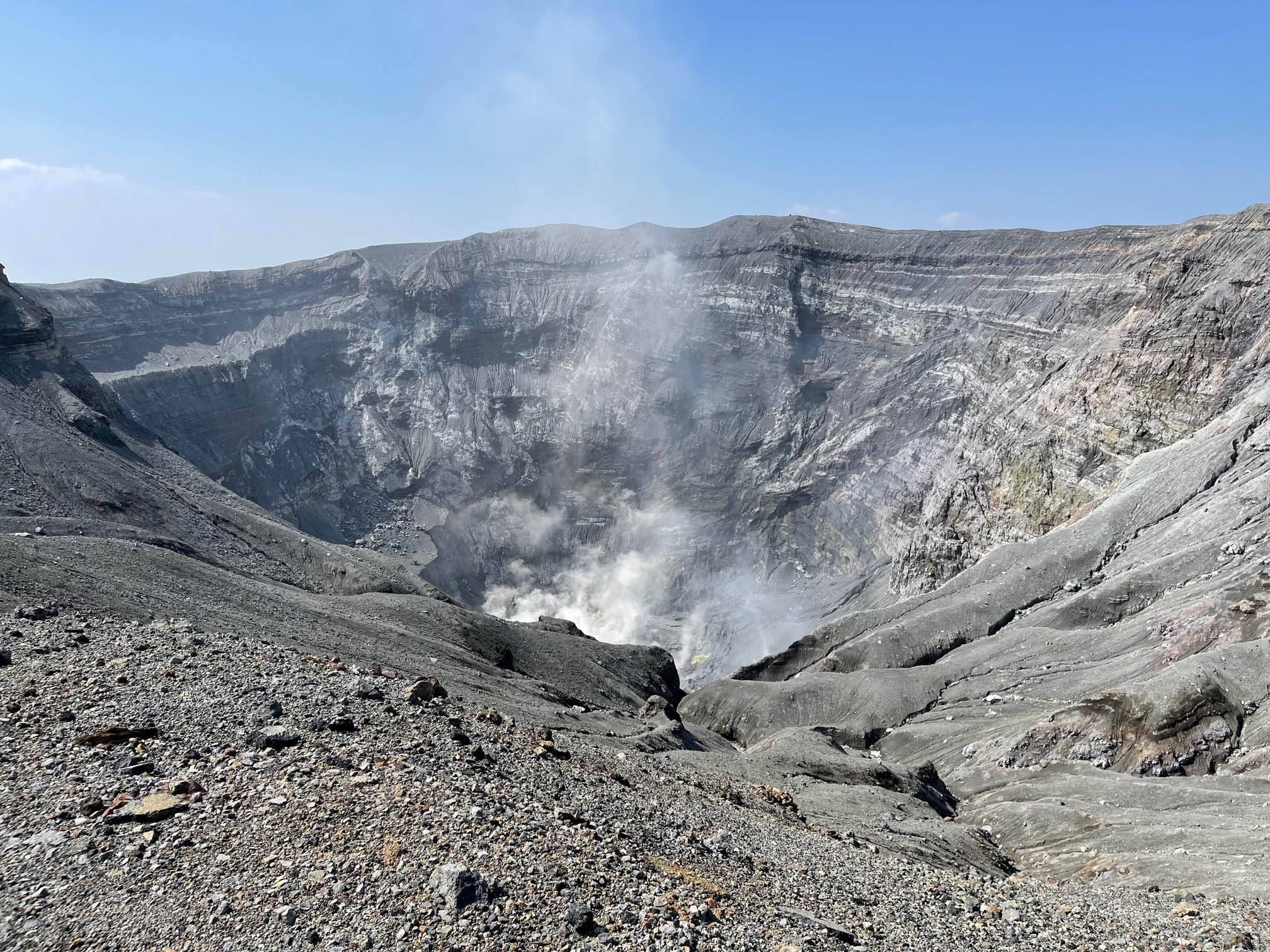
While it’s no longer possible to get close to the crater, I’d like to share some photos taken around the crater area before the restrictions were introduced. I hope these images will give you a glimpse of the breathtaking scenery and powerful landscape that make Aso so special. →→→Make Aso Great Again✌✌✌
Until next time, thank you for reading!ーーーKazu❢❢