Shinto Home Altar

In my blog post on March 6 last month, I discussed the differences between Shinto shrines and Buddhist temples. This time, I will talk about kamidana, the household Shinto altars that every family used to have before the world warⅡ.

A kamidana is a miniature Shinto altar. Kamidana are made of wood and look like small Shinto shrines. They enshrine sacred tablets from shinto shrines. Kamidana are huge high on walls or on shelves at homes, shops and business offices. Sakaki evergreen leaves, as well as offerings of rice, salt, sake and water are placed in front of the miniature shrine.

Shinto is the indigenous religion of Japan. The basic concept behind it is the worship of nature and ancestors. It is deeply rooted in the daily life of Japanese people.  People go to Shinto shrines for many occasions, such as for the first prayers of the new year, for a baby`s first shrine visit, and for festivals. They also have Kamidana at home so that they can feel close to the deities and pray at any time. Every morning many Japanese people pray at their Kamidana for a happy day and for the prosperity of their business. Some houses with Shinto home shrines may also have Buddist home altars.
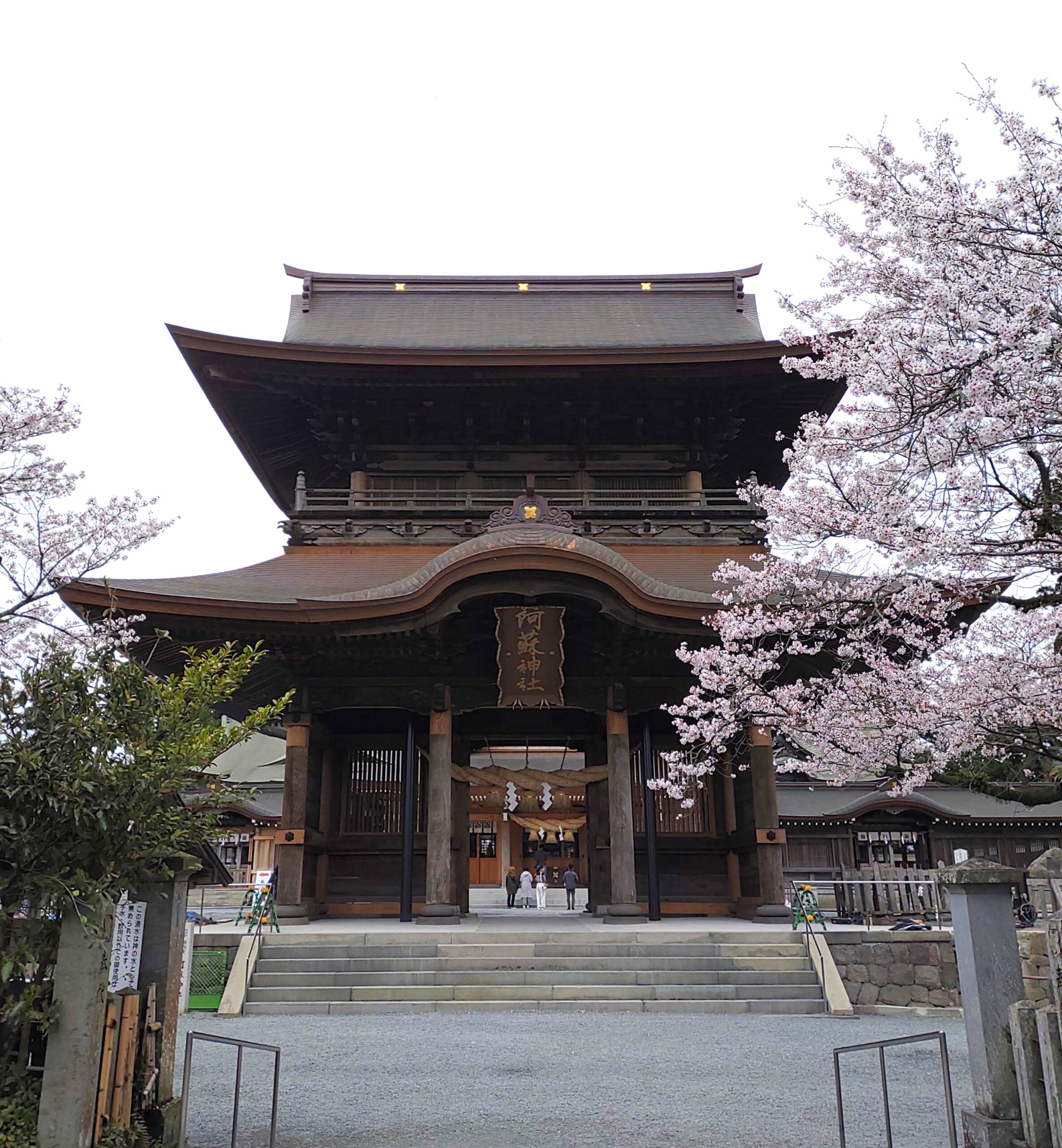
 

Lastly, everyone, the cherry blossoms in Aso are finally in full bloom, and the real sightseeing season is about to begin. Please come and enjoy Aso, blessed with its magnificent natural beauty.




Good-by for now!                                                 Kazu …………..


カテゴリー: English Blog, 特集   タグ:   この投稿のパーマリンク

Tags

array(2) {
  [0]=>
  object(WP_Term)#2775 (16) {
    ["term_id"]=>
    int(706)
    ["name"]=>
    string(12) "English Blog"
    ["slug"]=>
    string(7) "english"
    ["term_group"]=>
    int(0)
    ["term_taxonomy_id"]=>
    int(706)
    ["taxonomy"]=>
    string(8) "category"
    ["description"]=>
    string(0) ""
    ["parent"]=>
    int(0)
    ["count"]=>
    int(459)
    ["filter"]=>
    string(3) "raw"
    ["cat_ID"]=>
    int(706)
    ["category_count"]=>
    int(459)
    ["category_description"]=>
    string(0) ""
    ["cat_name"]=>
    string(12) "English Blog"
    ["category_nicename"]=>
    string(7) "english"
    ["category_parent"]=>
    int(0)
  }
  [1]=>
  object(WP_Term)#2777 (16) {
    ["term_id"]=>
    int(19)
    ["name"]=>
    string(6) "特集"
    ["slug"]=>
    string(7) "special"
    ["term_group"]=>
    int(0)
    ["term_taxonomy_id"]=>
    int(19)
    ["taxonomy"]=>
    string(8) "category"
    ["description"]=>
    string(0) ""
    ["parent"]=>
    int(0)
    ["count"]=>
    int(56)
    ["filter"]=>
    string(3) "raw"
    ["cat_ID"]=>
    int(19)
    ["category_count"]=>
    int(56)
    ["category_description"]=>
    string(0) ""
    ["cat_name"]=>
    string(6) "特集"
    ["category_nicename"]=>
    string(7) "special"
    ["category_parent"]=>
    int(0)
  }
}

Social networks