Hi everyone! I hope you’re all doing well. It’s Kazu, your Thursday blogger, checking in from Japan!
As promised, following my previous blog post about “Samurai (Edo) Behavior,” this time I’d like to share, based on my experience as a sightseeing taxi driver in Tokyo, some real-life examples of why foreign visitors are often amazed by the traditional manners and courteous behavior of Japanese people at the world-famous Shibuya Scramble Crossing.
Scramble crossing in front of the Shibuya station is well-known as a symbol of the world’s largest city Tokyo because of the huge amount of walking people.
As the light turns green, many people begin to walk at the same time. A lot of people walk to different directions, however Japanese people can walk without colliding with each other. It might have come from a behavior called “Samurai (Edo) behavior” of the old times, which is a Japanese classical behavior to show respect to others for living comfortably together in a limited small island.
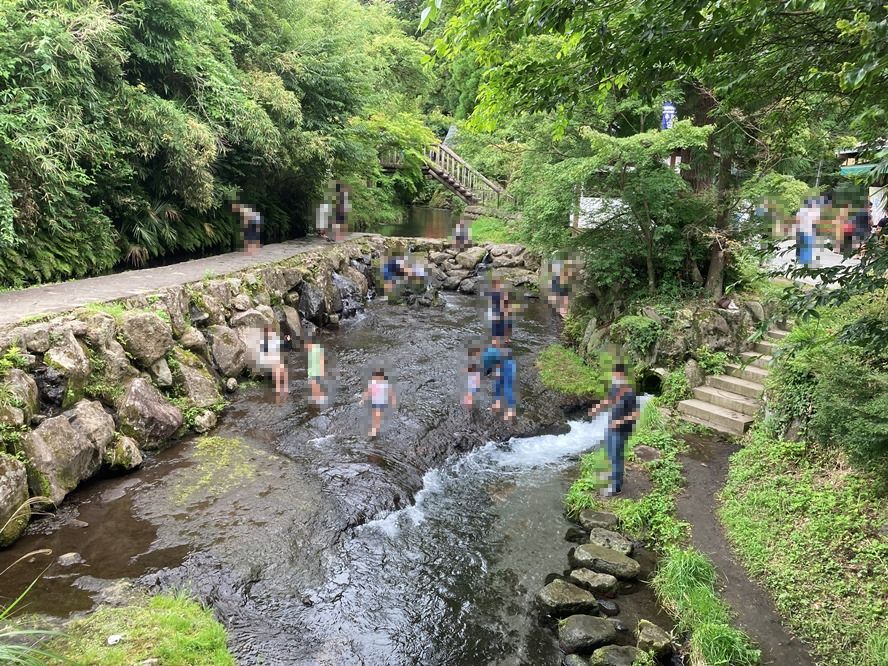
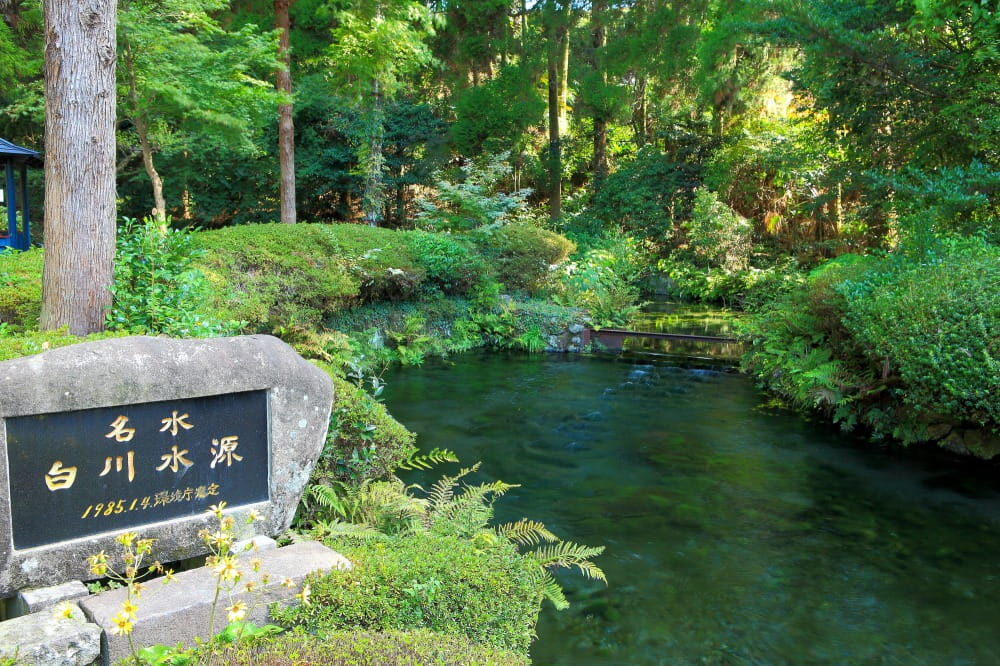
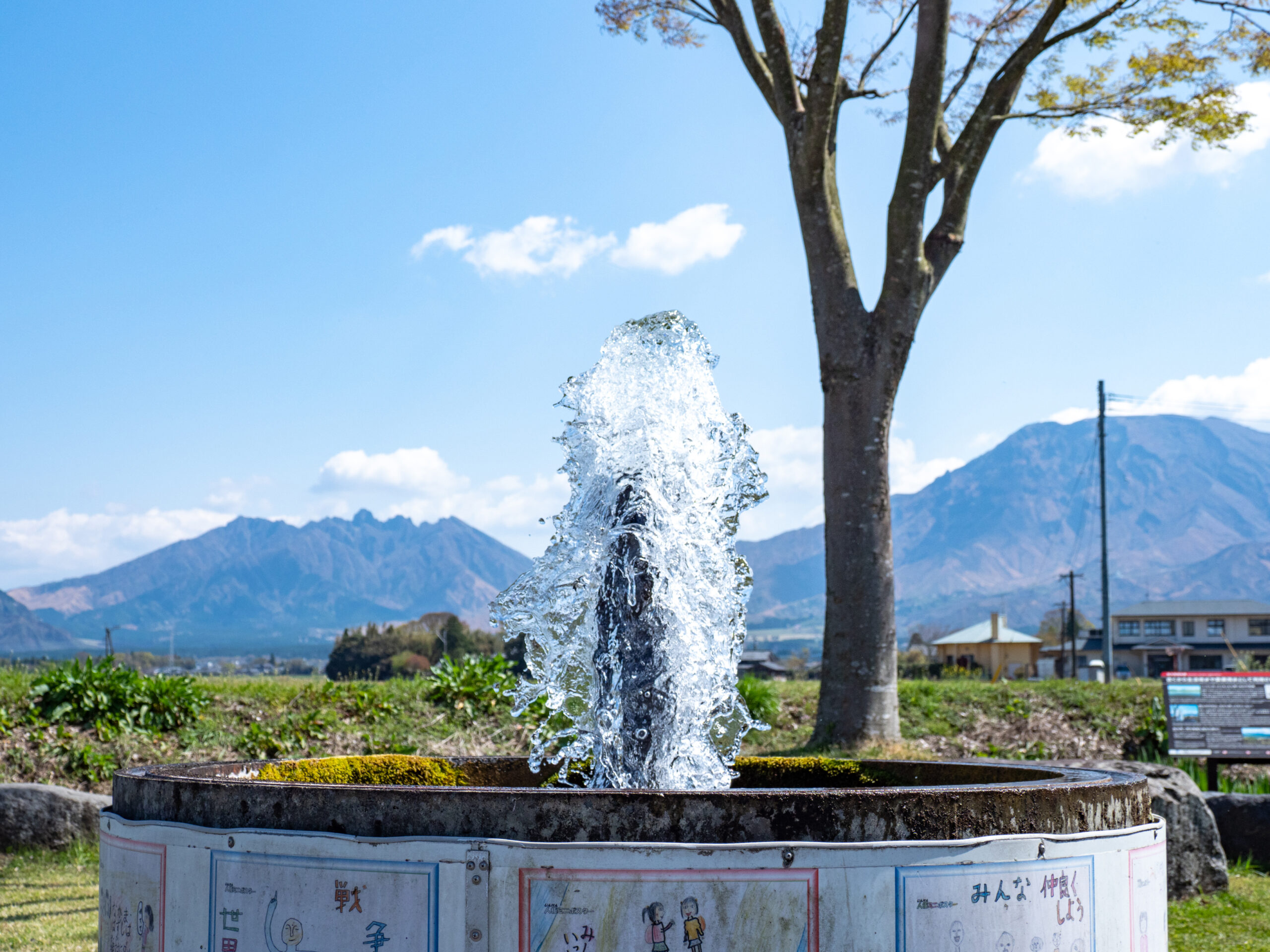
If you can witness this uniquely Japanese spirit even at the world-famous Shibuya Scramble Crossing in the heart of bustling Tokyo, then it’s easy to imagine that the people here in Aso—a peaceful countryside where Japan’s traditional rural landscapes have been preserved for centuries—embody the Samurai spirit, or what is often called “Edo-style etiquette,” even more deeply.
That is why all of us at Michi-no-Eki Aso look forward to welcoming you with heartfelt Japanese hospitality, or omotenashi. We sincerely hope to see you here soon!
OLYMPUS DIGITAL CAMERA
That brings today’s blog to a close. Thank you very much for reading all the way to the end. I look forward to seeing you again next Thursday. Until then, stay safe and take care! 👋👋👋👋