Japanese religious concepts—–Shinto Shrines and Buddhist Temples

Hello, everyone (#^.^#) —–I’m Kazu!

To get right to it, Shintoism and Buddhism are the major religions in Japan.

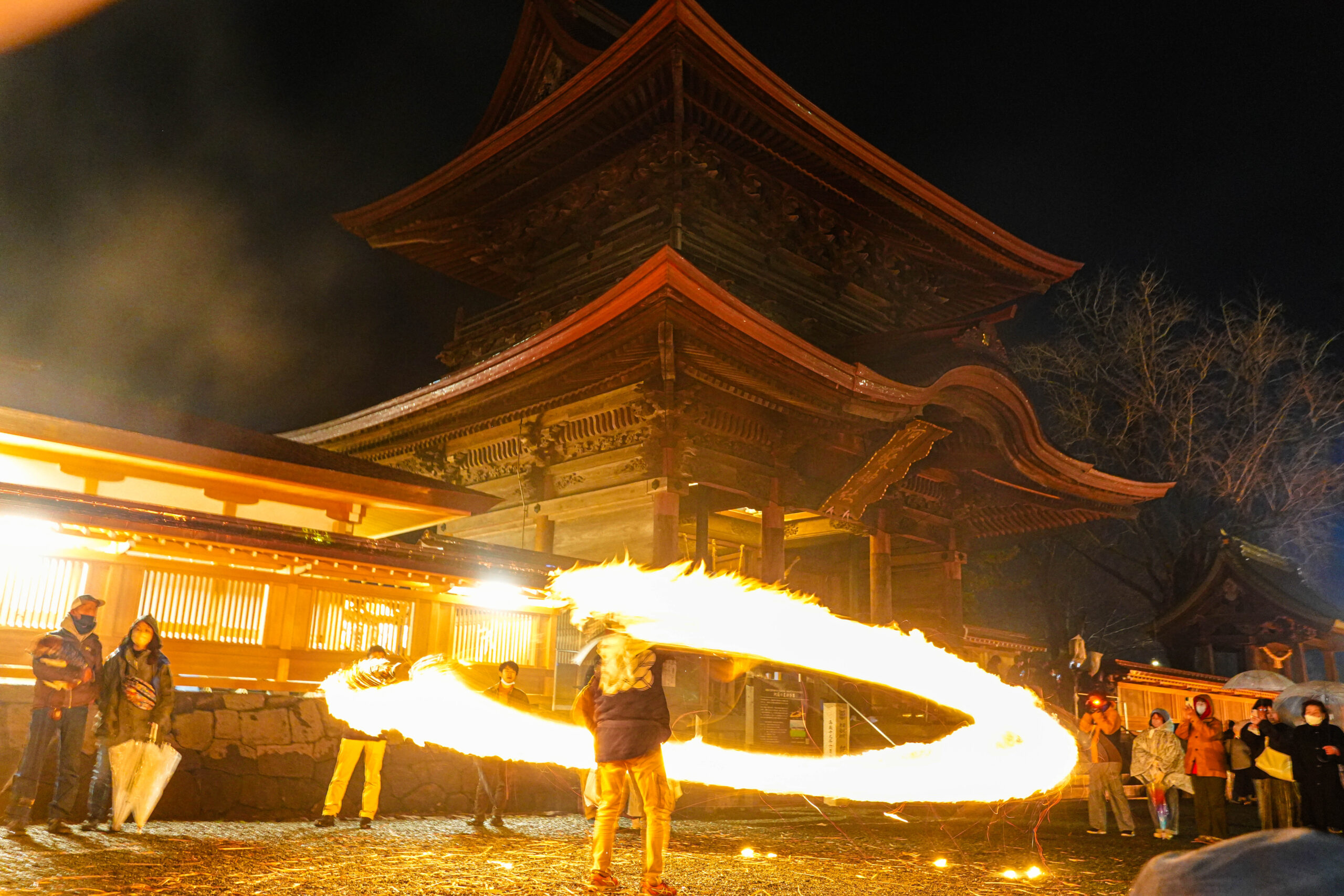
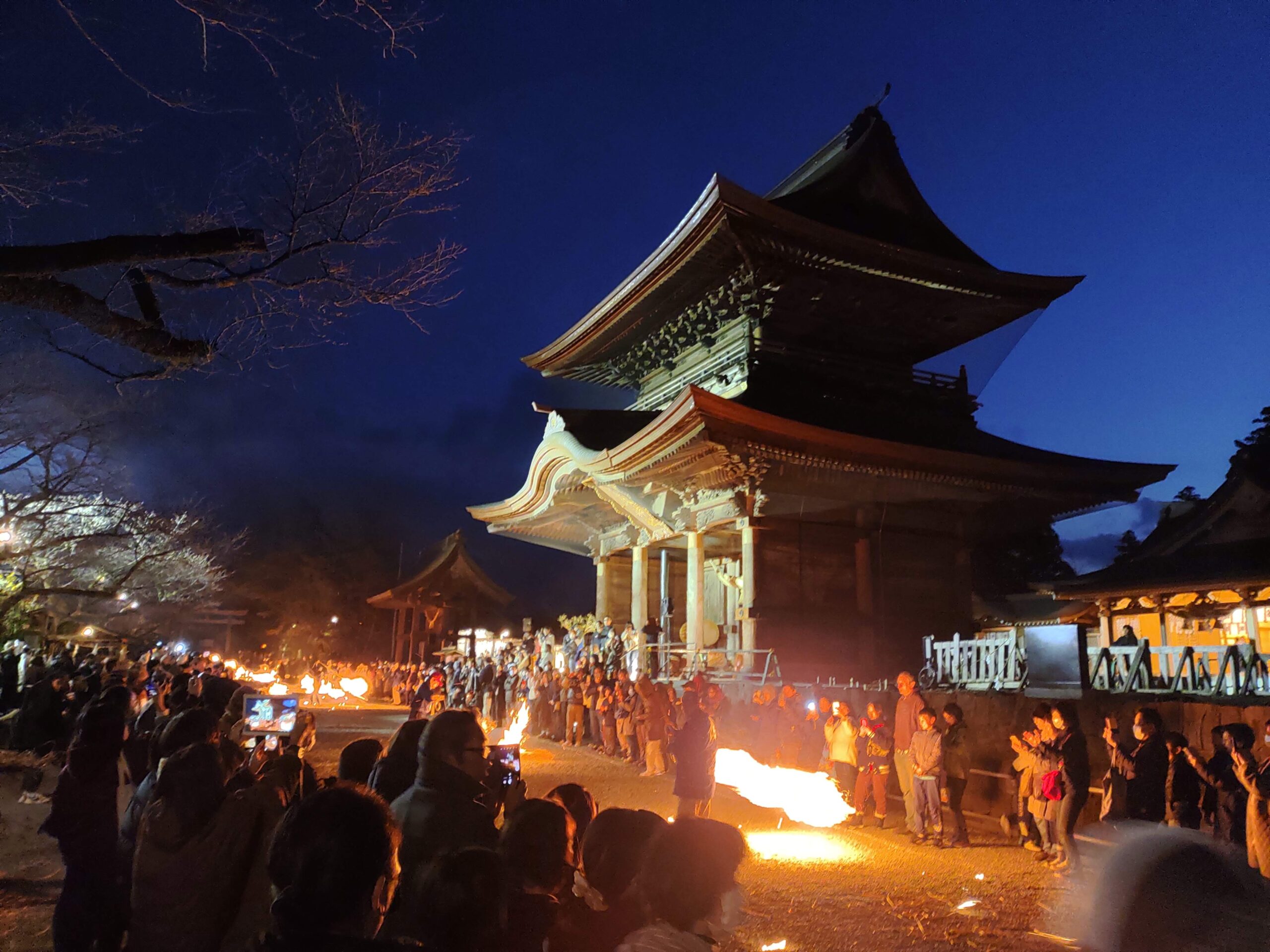
Shintoism is Japan’s indigenous religion. It is based on the worship of nature and ancestors. It developed from the ancient Japanese people’s general feeling of awe towards nature. Historical figures are also worshipped in Shintoism.

👇Aso shrine


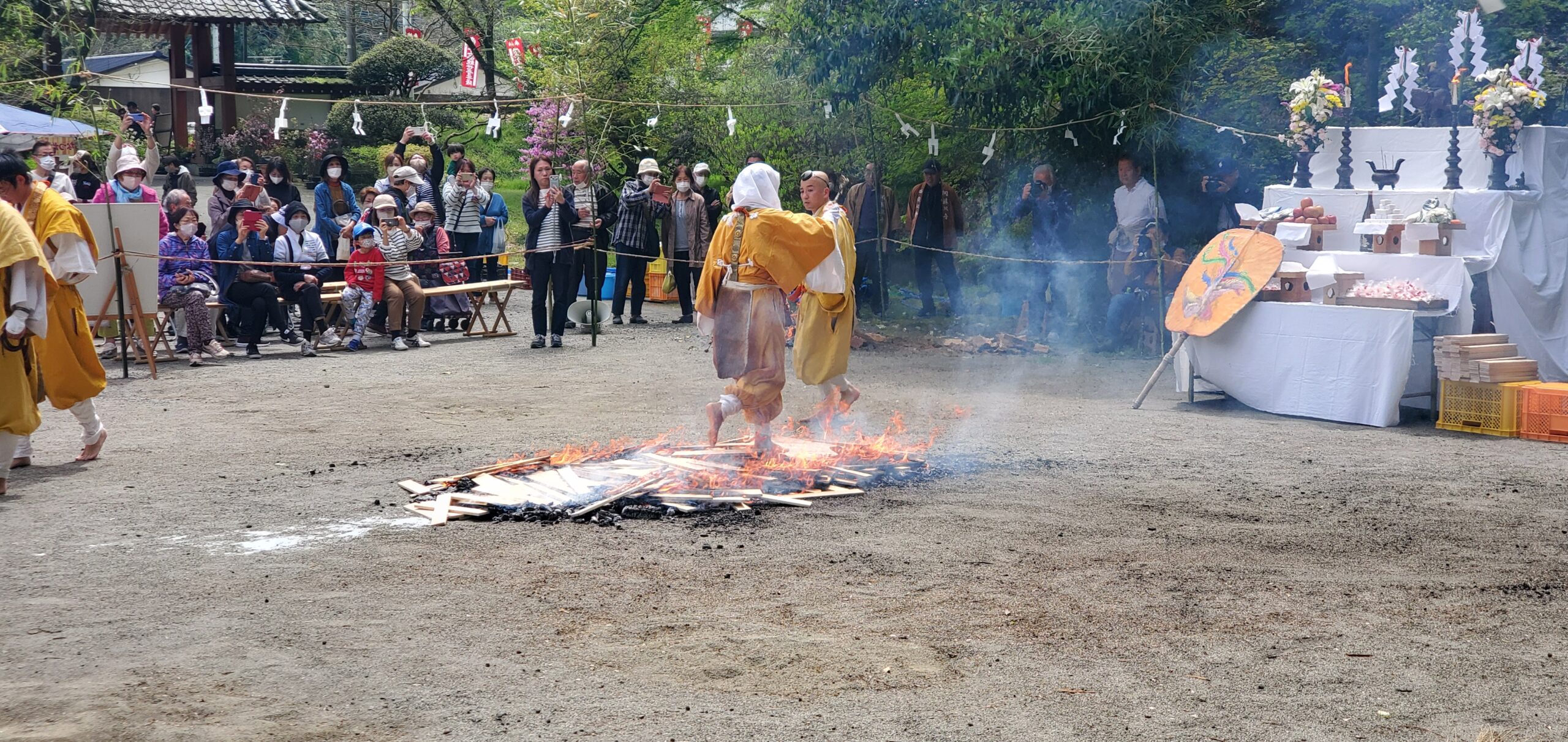
Meanwhile, Buddhism came to Japan in the middle of the sixth century. It originated in India and traveled through China and Korea to Japan. On this journey, it absorbed aspects from different local cultures and traditions.

👇Saiganndenーgi 
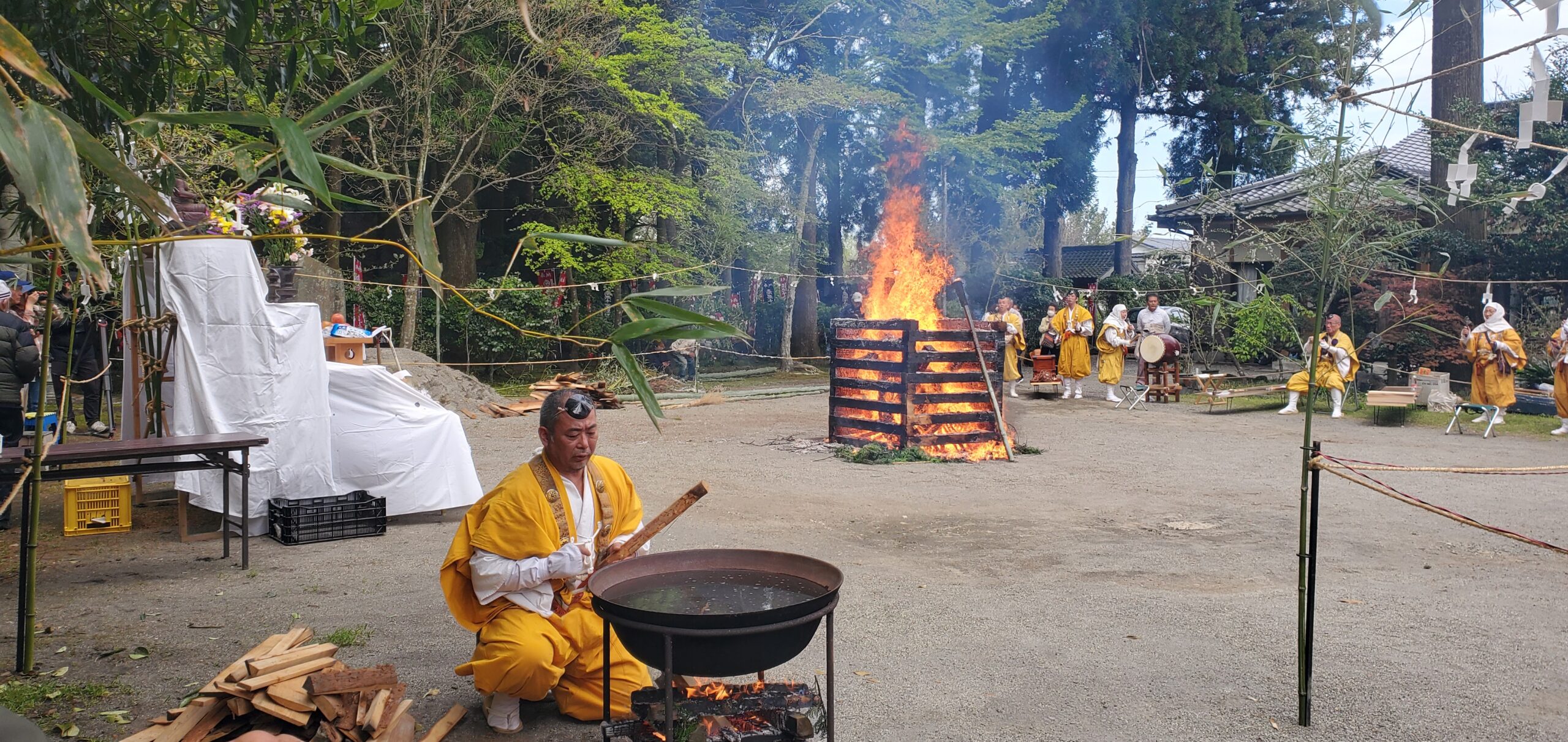
Shinto and Buddhism have coexisted in Japan for a long time and over time aspects of them have mixed. However, in the 19th century, then the new Meiji government ordered that the two be separated.  Yet the mixed nature of the two still remains in Japanese society today. Japanese people go to Shinton shrines for occasions related to life, such as blessings for newborn babies and weddings. However, they go to Buddhism temples for occasions related to life after death, such as funerals and memorial services.   


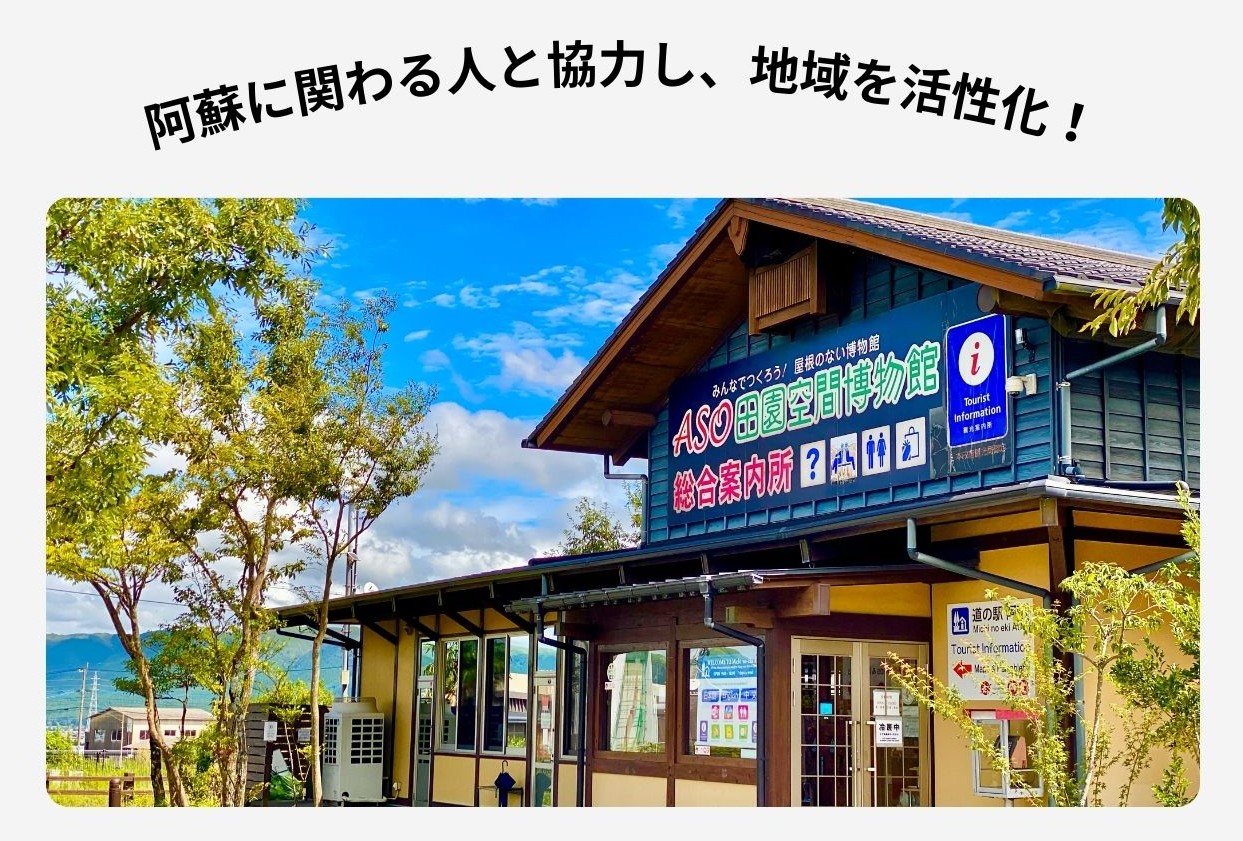
Well then, as a final note, it’s gradually getting warmer here in Aso. The shrines and temples are beginning to hold spring festivals, and it’s about the time when we start hearing news of the cherry blossoms. Wouldn’t you like to come visit around this season? All of us on the staff at ‘Michi-no-Eki Aso’ are looking forward to welcoming you with heartfelt hospitality. 
段落テキスト – 3



カテゴリー: English Blog, Recommendations/Activities   タグ: , , , , , , ,   この投稿のパーマリンク
array(2) {
  [0]=>
  object(WP_Term)#2949 (16) {
    ["term_id"]=>
    int(706)
    ["name"]=>
    string(12) "English Blog"
    ["slug"]=>
    string(7) "english"
    ["term_group"]=>
    int(0)
    ["term_taxonomy_id"]=>
    int(706)
    ["taxonomy"]=>
    string(8) "category"
    ["description"]=>
    string(0) ""
    ["parent"]=>
    int(0)
    ["count"]=>
    int(456)
    ["filter"]=>
    string(3) "raw"
    ["cat_ID"]=>
    int(706)
    ["category_count"]=>
    int(456)
    ["category_description"]=>
    string(0) ""
    ["cat_name"]=>
    string(12) "English Blog"
    ["category_nicename"]=>
    string(7) "english"
    ["category_parent"]=>
    int(0)
  }
  [1]=>
  object(WP_Term)#2847 (16) {
    ["term_id"]=>
    int(707)
    ["name"]=>
    string(26) "Recommendations/Activities"
    ["slug"]=>
    string(12) "en_recommend"
    ["term_group"]=>
    int(0)
    ["term_taxonomy_id"]=>
    int(707)
    ["taxonomy"]=>
    string(8) "category"
    ["description"]=>
    string(0) ""
    ["parent"]=>
    int(706)
    ["count"]=>
    int(364)
    ["filter"]=>
    string(3) "raw"
    ["cat_ID"]=>
    int(707)
    ["category_count"]=>
    int(364)
    ["category_description"]=>
    string(0) ""
    ["cat_name"]=>
    string(26) "Recommendations/Activities"
    ["category_nicename"]=>
    string(12) "en_recommend"
    ["category_parent"]=>
    int(706)
  }
}

Social networks