Yesterday was the winter solstice.
Do you have any special customs or traditions for the winter solstice where you live?
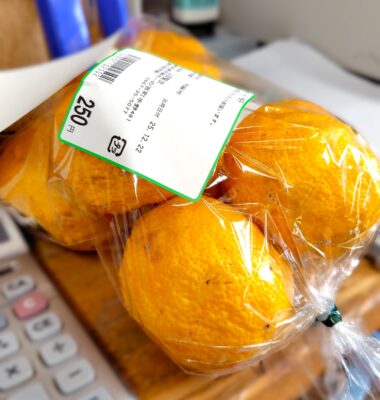
In Japan, one of the most popular traditions is Yuzu-yu, a yuzu citrus bath.
Most Japanese homes have a bathtub, and soaking the whole body in hot water during winter is a real joy. On the winter solstice, we add an extra pleasure to our bath time.

Yuzu is a citrus fruit that is often used in Japanese cuisine for its fresh and refreshing aroma. On the winter solstice, however, we don’t only use it for cooking—we use it for bathing too!
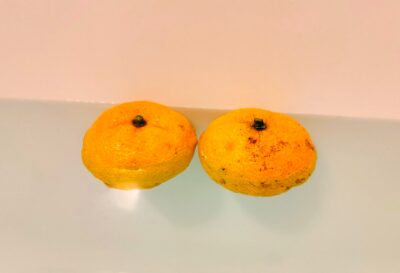
How does it work? It’s very simple. Just put a few yuzu fruits into the hot bathwater. That’s all.
We enjoyed the citrus fragrance, felt warmer than usual, and our skin felt smoother as well.
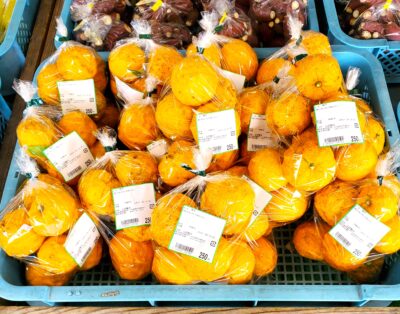
I bought these yuzu at Michi-no-Eki Aso. I spoke with the farmer, who told me they were pesticide-free, so they are safe and healthy for both bathing and cooking.
There is another famous winter solstice tradition: eating squash or pumpkin. Today we usually call it kabocha, but in the past it was known as nankin.
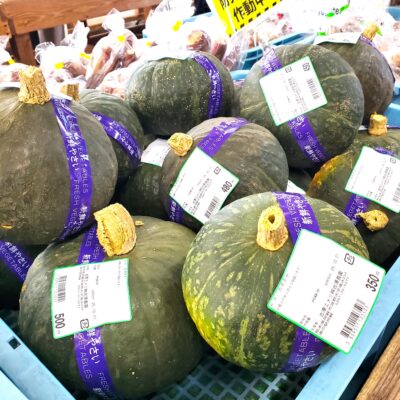
In Japanese, the word for good luck is un, and words that contain the “n” sound are considered lucky. Nankin has two “n” sounds, so it has long been believed to be a very lucky food to eat before the New Year. In addition, nankin is rich in vitamins and helps prevent colds during winter.
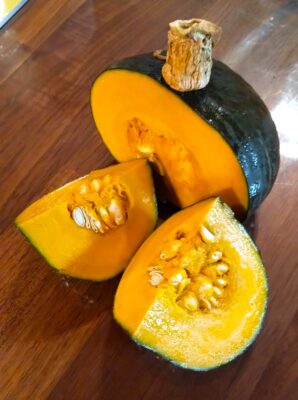
School lunches are also a great way to teach children about tradition. Schools explain why we eat nankin on the winter solstice, and it is included in the menu.

From today, the days will gradually become longer, and the New Year will arrive in just one week.
Stay healthy and enjoy a wonderful holiday season!
Kana